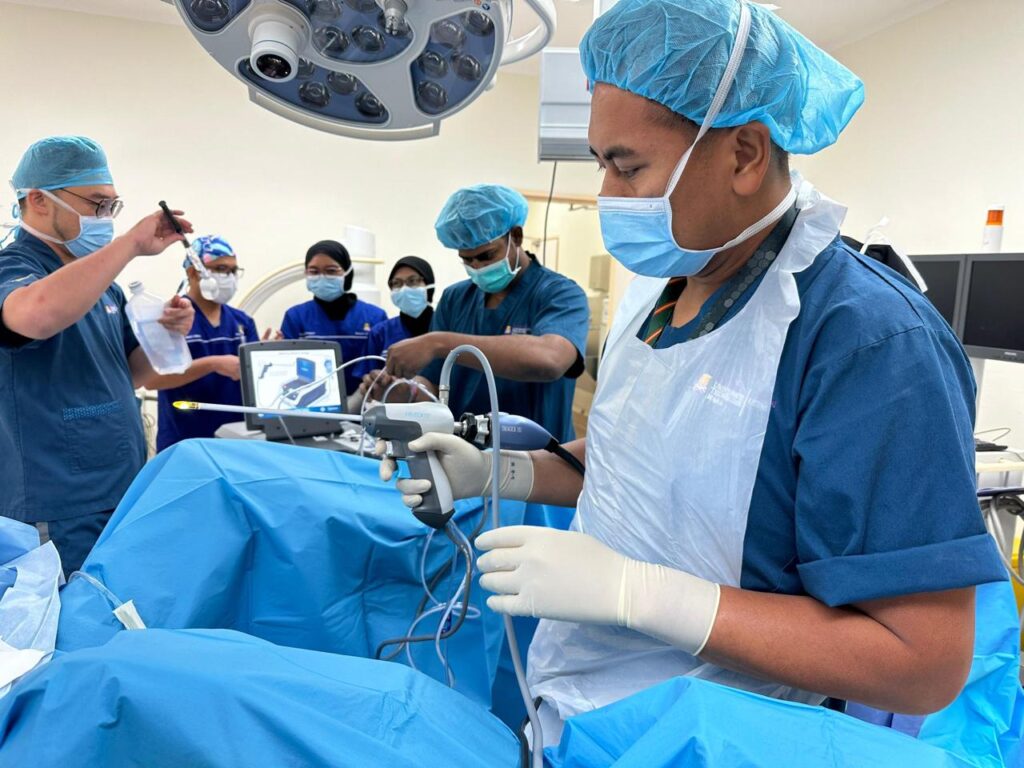






Choosing the right urology doctor is an important step when dealing with urinary, kidney, prostate, or related health concerns. A urologist plays a key role in diagnosis, treatment planning, and long-term care, so selecting someone who suits your medical needs can make a meaningful difference in your health journey.
This guide explains what patients should consider when choosing a urology doctor, helping you make an informed and confident decision.
Understand Your Health Concern
Urology covers a wide range of conditions, from kidney stones and urinary infections to prostate conditions and bladder health issues. Before choosing a doctor, it helps to understand the main concern you are experiencing, such as changes in urination, recurring discomfort, or abnormal test results.
Some urologists focus more on specific areas, while others manage a broad range of conditions. Knowing your primary concern helps you find a doctor with relevant experience.
Check Qualifications and Training
A qualified urologist should have recognised medical training, certification, and experience in urology. Patients can look for information about medical education, years of practice, and hospital affiliations. Proper training ensures the doctor follows established clinical standards and evidence-based care.
Experience With Diagnosis and Treatment Options
Modern urology involves different diagnostic tools and treatment approaches, including imaging, minimally invasive procedures, and surgical planning when required. A urology doctor who is familiar with both conservative and advanced treatment options can guide patients through choices based on their condition and overall health.
Experience matters not only in procedures but also in deciding when treatment is needed and when careful monitoring is appropriate.
Clear Communication and Patient Understanding
Good communication is essential in healthcare. A urology doctor should explain findings, test results, and treatment options in clear and simple terms. Patients should feel comfortable asking questions and discussing concerns during consultations.
Understanding your condition and care plan helps you participate actively in decision making.
Access to Diagnostic Facilities and Follow-Up Care
Convenient access to diagnostic services such as scans or laboratory tests supports timely evaluation. Follow-up care is equally important to monitor progress, recovery, or long-term management. A structured follow-up approach helps ensure continuity of care.
Location and Hospital Support
Choosing a urologist who practices at a well-equipped medical facility can support safe and coordinated care. Hospital support services, nursing care, and access to multidisciplinary teams contribute to better patient experience and outcomes.
About Dr Zainal Adwin
Dr Zainal Adwin is a Urologist based in Johor, practising at Gleneagles Johor. He provides evaluation and management for kidney, prostate, bladder, and urinary conditions using structured assessment and modern urological techniques. His approach focuses on patient understanding, careful diagnosis, and individualised care planning.
Final Thoughts
Choosing the right urology doctor involves more than availability alone. Qualifications, experience, communication style, and access to proper facilities all play a role. Taking time to evaluate these factors helps ensure you receive care that is appropriate, informed, and suited to your health needs.
If you experience ongoing urinary or urological concerns, seeking timely professional evaluation can help clarify the cause and guide the next steps in care.