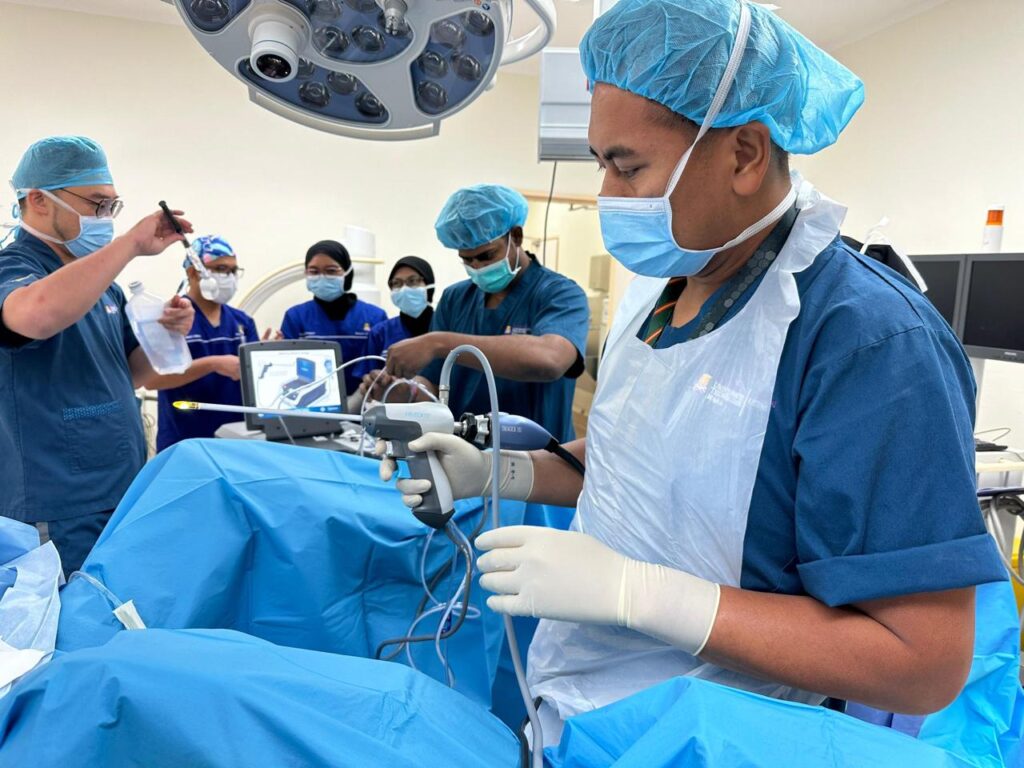






Bladder cancer is a condition that develops when abnormal cells grow in the lining of the bladder. The bladder plays an essential role in storing urine before it leaves the body, and changes in its lining can affect normal urinary function. Bladder cancer can occur at any age but is more commonly diagnosed in adults.
Learning about bladder cancer helps patients recognise early signs and understand why timely medical evaluation is important.
What Is Bladder Cancer
Bladder cancer begins when cells in the bladder lining start to grow abnormally. In many cases, the condition remains limited to the inner lining, while in others it may extend deeper into the bladder wall. The behaviour of bladder cancer varies, which is why careful assessment is required to guide management.
Some forms grow slowly, while others may require closer monitoring or active treatment.
Common Changes That May Be Noticed
Bladder cancer may cause noticeable changes in urination. Some people experience blood in the urine, changes in urine colour, increased frequency of urination, or discomfort while passing urine. These symptoms are not always linked to cancer but should be evaluated if they persist or recur.
Early symptoms are often mild, which can delay diagnosis if ignored.
Why Early Detection Matters
Early evaluation allows bladder cancer to be identified at a stage where more treatment options are available. Diagnostic tools such as urine tests, imaging studies, and direct bladder examination help doctors assess bladder health accurately.
Identifying the condition early supports better planning and long-term monitoring.
Diagnosis and Assessment
When bladder cancer is suspected, further evaluation may include imaging scans and endoscopic examination of the bladder. In some cases, tissue samples are taken to confirm the diagnosis and determine how advanced the condition is. These steps help doctors understand the nature of the disease and plan appropriate care.
Treatment and Ongoing Management
Treatment options depend on the stage, depth, and behaviour of the cancer. Management may include minimally invasive procedures, medication, or ongoing surveillance. The aim is to control abnormal cell growth while preserving bladder function and quality of life.
Regular follow-up plays an important role in monitoring bladder health after treatment.
About Dr Zainal Adwin
Dr Zainal Adwin is a Urologist based in Johor, practising at Gleneagles Johor. He provides comprehensive evaluation and management of bladder conditions using structured diagnostic pathways and modern urological techniques. His approach focuses on accurate diagnosis, personalised care, and long-term monitoring.
Final Thoughts
Bladder cancer often presents with early warning signs that should not be ignored. Prompt evaluation helps clarify the cause of symptoms and supports timely care planning. Individuals experiencing persistent urinary changes are encouraged to seek professional assessment to better understand their bladder health.