Have a question




Urinary Incontinence Treatment in Johor
Comprehensive evaluation and tailored solutions to manage leakage, restore bladder control, and improve daily confidence.
Diagnosis Overview
Urinary incontinence occurs when the bladder loses full control over urine leakage. It may result from weakened pelvic floor muscles, nerve conditions, urinary tract issues, or changes after surgery. At Gleneagles Johor, Dr. Zainal Adwin offers thorough assessment to identify the type of incontinence and recommend the most suitable treatment approach for long term management.
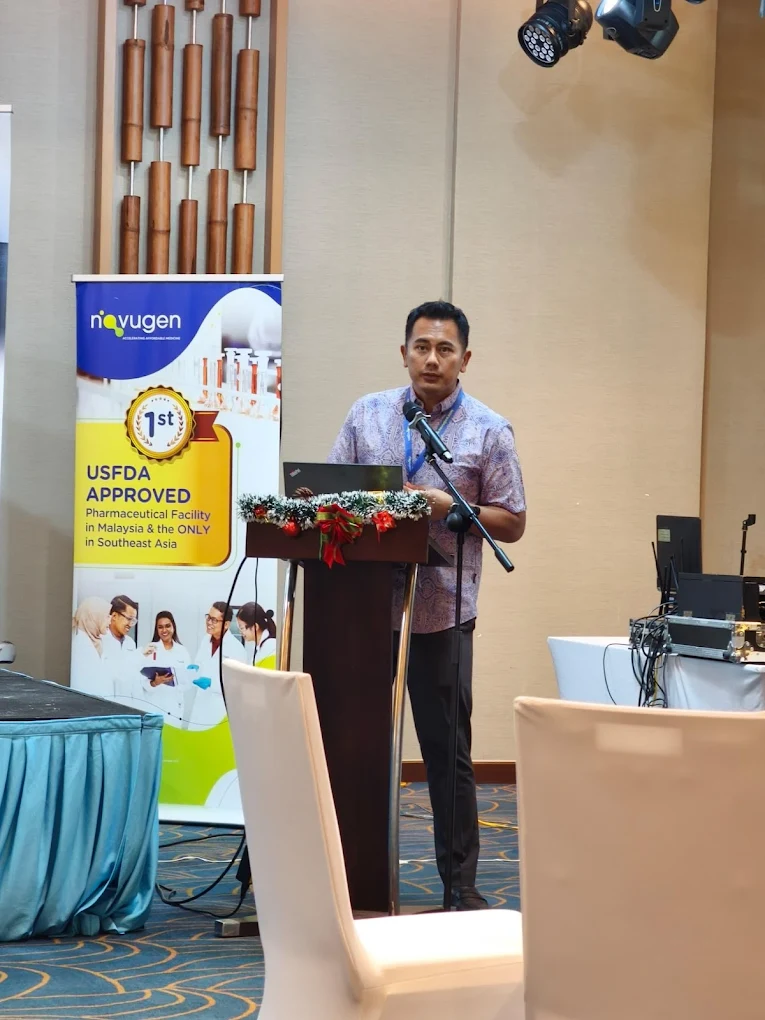
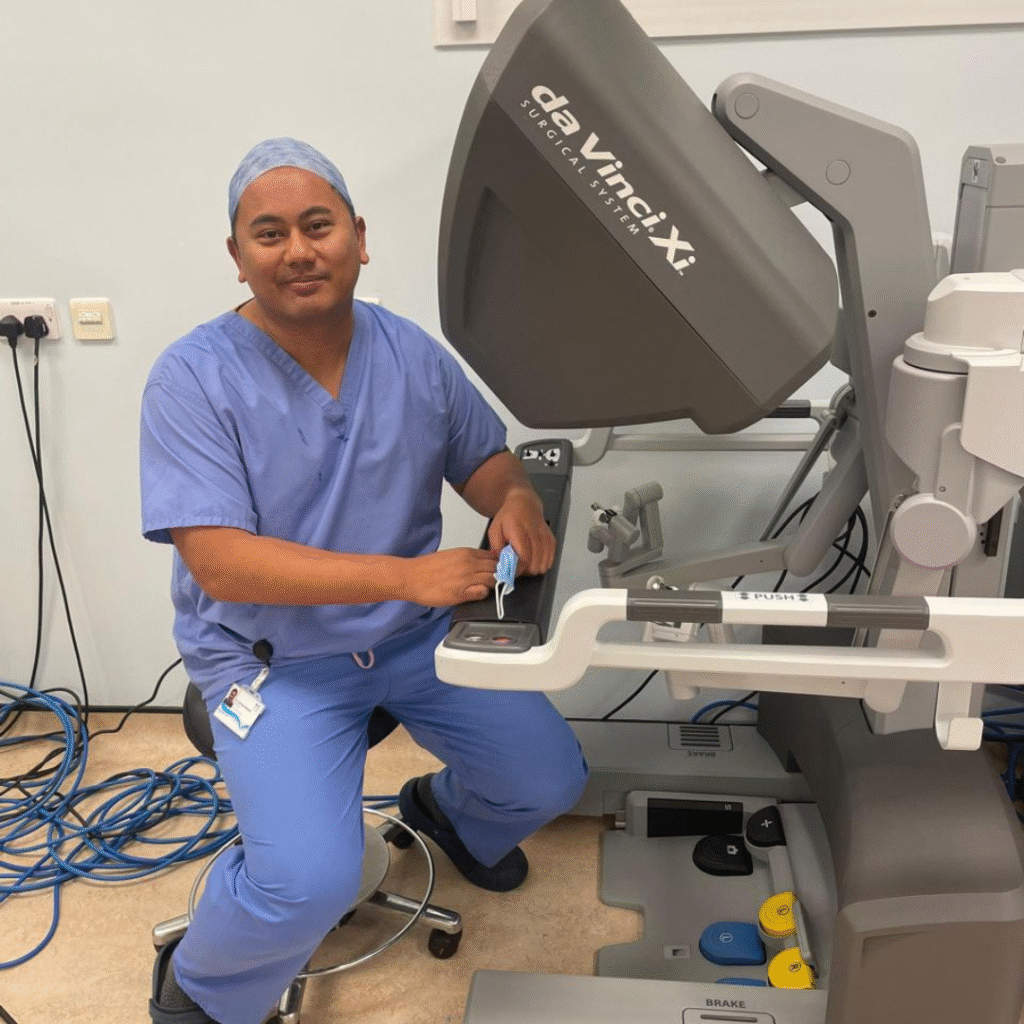
About Dr. Zainal
Dr. Zainal Adwin is a Urologist in Johor specialising in urinary disorders, prostate care, and minimally invasive treatments. He provides personalised care for incontinence through accurate diagnosis, modern therapies, and patient focused recovery plans aimed at improving bladder function and daily comfort.
What Is Urinary Incontinence and How It Develops
Urinary incontinence refers to the involuntary leakage of urine due to changes in bladder function or control mechanisms. It may occur because the bladder muscles are overactive, the urethral sphincter is weak, or nerve signals that control urination are disrupted. Factors such as ageing, pregnancy and childbirth, prostate surgery, pelvic floor strain, chronic cough, obesity, or neurological conditions may contribute. Identifying the cause helps guide effective treatment and support.
Symptoms of Urinary Incontinence
Sudden strong urge to urinate
Leakage during coughing, lifting, or exercise
Frequent urination, especially at night
Difficulty holding urine or reaching the toilet in time
Continuous dribbling due to incomplete emptying
Reduced bladder control after surgery
Diagnosis Options
Diagnosis focuses on identifying type and underlying cause.
Medical History Review and Physical Exam
Assesses symptoms, lifestyle factors, and medical background.
Urinalysis
Checks infection, inflammation, or bladder irritation.
Ultrasound or Imaging
Evaluates bladder function and urinary tract health.
Urodynamic Tests
Measures bladder pressure, muscle activity, and control.
Treatment Options
Treatment depends on severity, bladder function, and medical history.
Lifestyle and Pelvic Floor Training
Strengthens muscles and improves daily control.
Bladder Training and Behavioural Therapy
Supports regular emptying and improves bladder capacity over time.
Medication Support
Helps relax bladder muscles or improve sphincter function depending on type.
Post Surgery Recovery Plans
Supports healing and control after prostate or pelvic procedures.
About Dr. Zainal
At Gleneagles Johor, Dr. Zainal Adwin offers personalised treatment for urinary incontinence using modern diagnostic tools and patient focused care. His approach prioritises comfort, gradual improvement in bladder control, and long term urinary health with supportive follow up.
What causes urinary incontinence?
Causes may include pelvic muscle weakness, nerve issues, surgery, infection, or bladder overactivity.
Is incontinence a normal part of ageing?
It is common but not something to ignore. Evaluation helps identify treatable causes.
Do all cases require surgery?
No. Many cases improve with exercises, training, or medication. Procedures are offered only when necessary.
Can incontinence occur after prostate surgery?
Some men experience temporary leakage during recovery. Supportive treatment helps improve control over time.
How long does improvement take?
Progress varies by condition and treatment, with many patients improving gradually over weeks or months.
Your Health, Our Commitment Hear from Our Patients
"I am grateful to Dr.Zainal and his surgical team for performing a TURP surgery on my prostate enlargement at Gleneagles Hospital JB on 21/7. I will certainly recommend him to those whom I know if they need to go for such treatments or surgeries like mine. A word of thanks to the nurses who looked after me at Ward 710B too."
Phua Teck Hock
"My family and I are very grateful to Dr. Zainal Adwin for the excellent robotic surgery he performed. He was kind, patient, and explained the procedure in detail. The recovery was quicker than expected. Truly a top-class surgeon!"
Aaron Farhan
"My wife recently underwent a kidney tumor removal robotic surgery on February 8th, performed by Dr. Zainal Adwin Bin Zainal Abidin at Gleneagles Medini Hospital. From start to finish, the experience was exemplary."
Nazim Tajuddin
"Dr Zainal patiently gave great medical advice for me to remove my kidney stone naturally, which i preferred as i very much dreaded surgery.
Thank you so much Doctor for your care and consideration. Highly recommended!"
Ben K
"Dr. Zainal… excellent urologist with great communication skills. He explains everything clearly. I was made to understand my problem and treatment options. The clinic & hospital is comfortable, and gives a great healing vibes and environment. I felt reassured and well-cared for throughout my visit. Highly recommend Dr. Zainal!"
Ahmad Tarmizi Mohammad